How Vancouver Schools Plan Successful School Dances, Winter Formals, and Grads
How Vancouver Schools Plan Successful School Dances, Winter Formals, and Grads
Overview
If you are organizing a school dance in Vancouver, whether it is a fall social, a winter formal, or a grad celebration, the difference between a packed floor and a half empty gym usually comes down to planning sequence, not budget. Every year, student councils and staff advisors start from scratch, rediscovering the same deadlines and the same lessons other schools already know. This guide lays out how experienced Vancouver schools plan their events, from the first planning meeting to the final song. You will find a clear, practical checklist covering timelines, budget approval, theme, supervision, ticketing, and the one element that makes or breaks the night: the entertainment. If you are looking for a School dance DJ Vancouver or simply want a planning roadmap your committee can follow, this article gives you the sequence that consistently produces a dance students actually remember. The goal is to help your team plan with confidence and avoid the last minute scramble that quietly sinks so many school events.
Start Earlier Than You Think You Need To
The single most common mistake in school event planning is starting late. A dance feels like something you can organize in a few weeks, and technically you can. But the events that fill the floor are almost always the ones that began planning a month or two ahead of the others.
The reason is simple. The best dates, the best venues if you are going off campus, and the most experienced school dance DJ in Vancouver all get claimed early in the term. Student councils that meet in the first week of September and map out their year are choosing from a full calendar. The committees that wait until a few weeks before the event are working around what is already taken.
Early planning also gives you breathing room for the part of school events that always takes longer than expected: approvals. Budget sign off, administration permission, venue confirmation, and supervision arrangements all move on school timelines, not yours. Starting early means these steps happen calmly instead of in a panic the week before tickets go on sale.
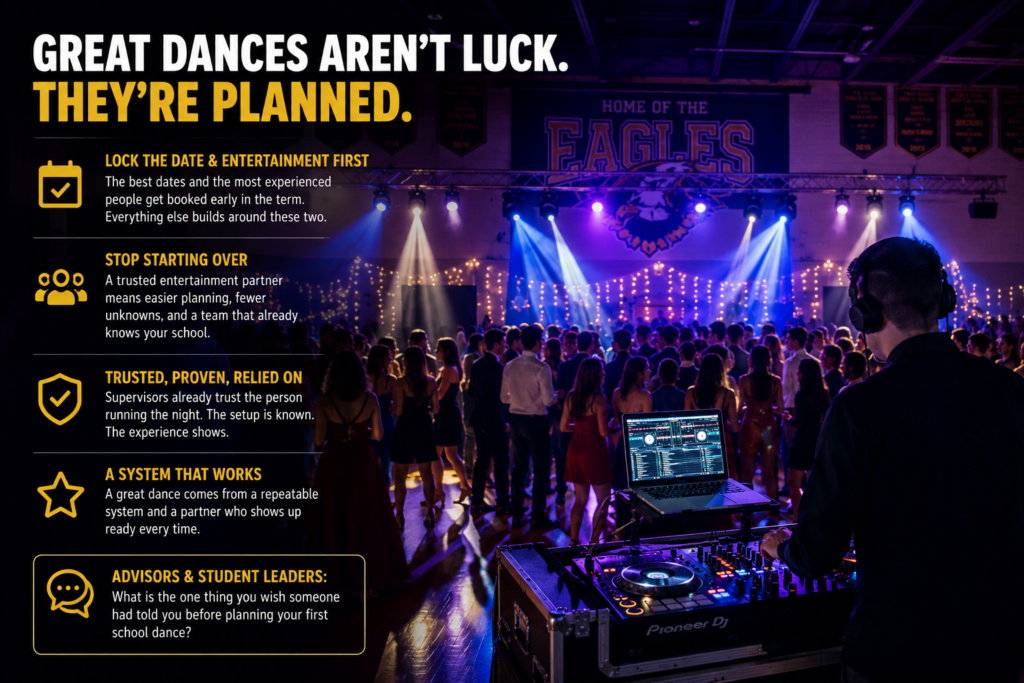
A good rule of thumb is to begin planning a major dance at least six to eight weeks out, and to lock your date and entertainment as the very first steps.
The 8 Step School Dance DJ Vancouver Planning Checklist
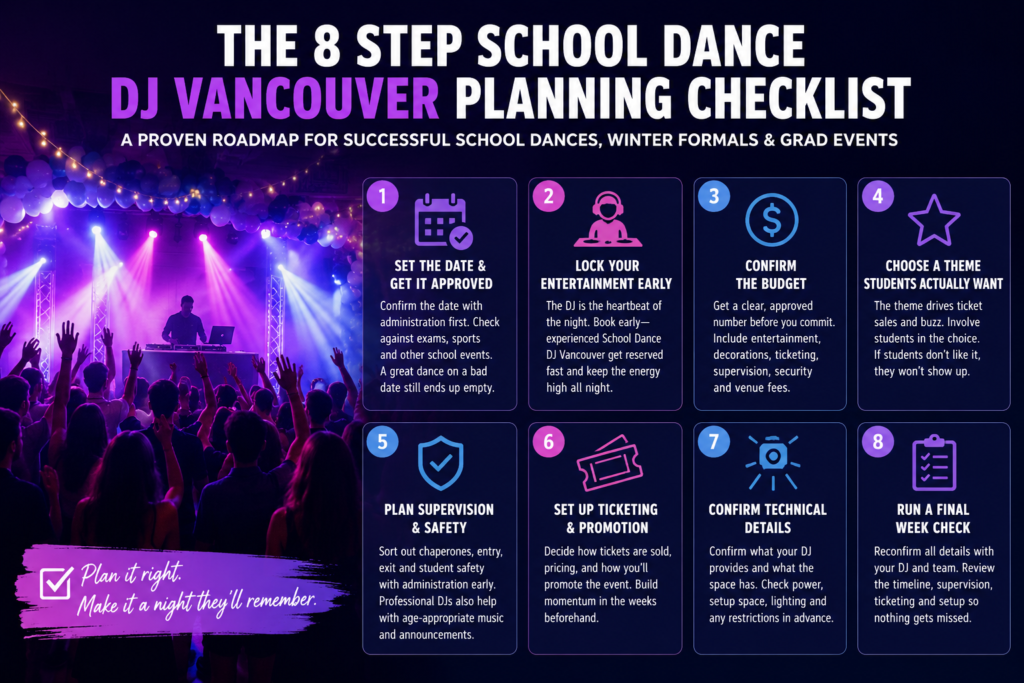
Most successful school events follow the same underlying sequence. Here is the eight step checklist experienced organizers work through, roughly in order, and it puts your school dance DJ Vancouver at the very top where it belongs.
Step 1: Set the date and get it approved. Confirm the date with administration first, checking it against exams, sports events, and other school activities. A great dance on a bad date still ends up empty.
Step 2: Lock your entertainment early. The DJ is the heartbeat of the night, so book this as soon as the date is confirmed. An experienced school dance DJ in Vancouver gets reserved quickly during fall and grad season, and the right DJ does far more than play music. They read a room full of students, keep the energy moving, and know how to handle the difference between a grade eight social and a grad celebration.
Step 3: Confirm the budget. Get a clear, approved number before you commit to anything expensive. Factor in entertainment, decorations, ticketing, security or supervision costs, and any venue fees. Knowing your real budget early prevents painful cuts later.
Step 4: Choose a theme students actually want. The theme drives ticket sales, decorations, and social media buzz. Involve students in the choice. A theme the committee loves but students find uncool is a quiet way to lose attendance.
Step 5: Plan supervision and safety. Schools have clear requirements for chaperones, entry and exit, and student safety. Sort this early with administration so it is not a last minute obstacle. This is also where a professional school event DJ helps, because they understand appropriate music and announcements for a school setting.
Step 6: Set up ticketing and promotion. Decide how tickets are sold, at what price, and how the event gets promoted. Build momentum in the weeks beforehand rather than hoping for a rush at the door.
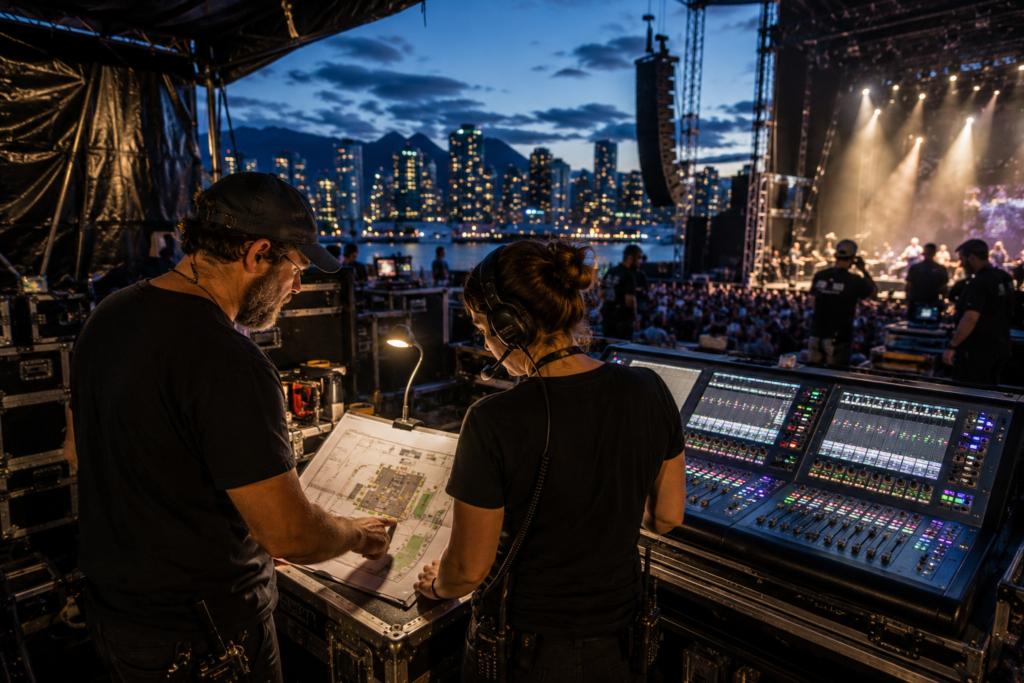
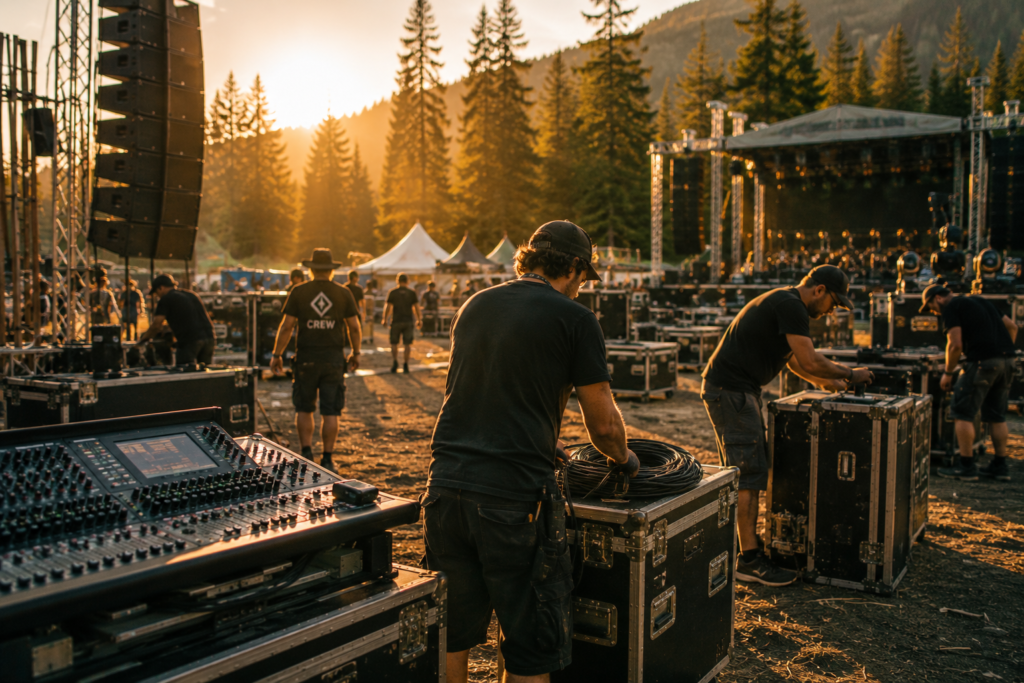
Step 7: Confirm the technical details. Sound and lighting transform a plain gym into an event. Confirm what your DJ provides and what the space already has, including power, space for setup, and any restrictions. Sorting this in advance avoids surprises on the night.
Step 8: Run a final week check. In the last week, reconfirm the date and time with your school dance DJ Vancouver, review the timeline for the evening, and make sure supervision, ticketing, and setup are all locked. A short confirmation now prevents the most common night of problems.
Working through these eight steps in order is what separates the schools that run smooth, well attended events from the ones that scramble. It is not about doing more. It is about doing things in the right sequence.
Why Your School Dance DJ in Vancouver Matters More Than Most Committees Expect
It is easy to treat the DJ as one line item among many. In practice, the entertainment is the element students remember most, and it is the one most likely to make or break the night. Choosing the right school dance DJ Vancouver is the highest leverage decision your committee will make.
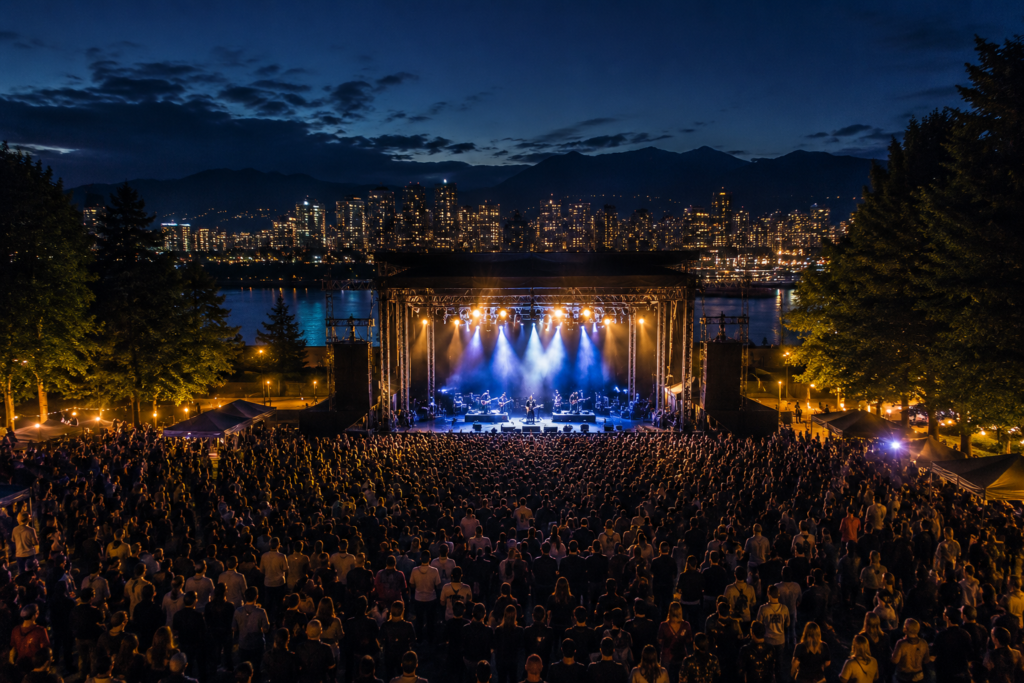
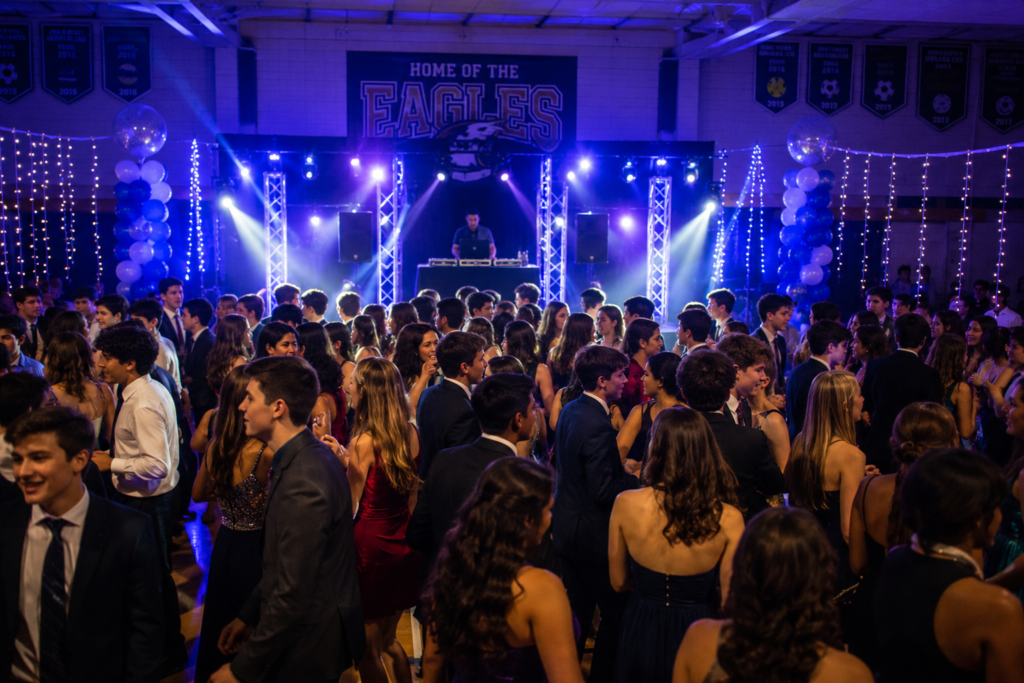
A school dance is a unique environment. The crowd is large, often shy at the start, and spans a range of ages and tastes. Getting a gym full of students onto the dance floor takes genuine skill. An experienced school event DJ knows how to open carefully, build energy gradually, read which songs land with that particular crowd, and keep the floor full once it fills. A DJ without that experience often plays a technically fine playlist to an empty room.
There is also the school specific dimension. The right DJ understands clean versions of songs, appropriate announcements, and the tone a school setting requires. They coordinate with supervisors, follow the school’s guidelines, and keep the night both fun and appropriate. This is very different from a club or wedding DJ simply showing up with a playlist.
For winter formals and grad celebrations especially, the stakes are higher. These are milestone events students anticipate for months. A winter formal DJ in Vancouver, or a grad DJ in Vancouver running the biggest night of the year, has to match that significance with the energy and professionalism it deserves. Booked well, the entertainment turns a school dance into a night students talk about long after.
This is why experienced organizers book entertainment first and treat it as a priority, not an afterthought.
Building a School Dance DJ Vancouver Partner You Can Reuse Every Year
The hidden cost of school event planning is that it resets every year. Student councils turn over, advisors change, and the hard won lessons of one year rarely survive into the next. Each committee rediscovers the same deadlines and the same mistakes from scratch.
There is a way to break that cycle. When a school finds a school dance DJ Vancouver and entertainment partner who already understands their gym, their guidelines, and their expectations, the planning gets dramatically easier every following year. The setup is known. The communication is familiar. The supervisors trust the person running the night. What took a full committee to coordinate the first time becomes a single confident booking the next.
This is the real value of working with an experienced, school focused provider of high school DJ services in Vancouver rather than a different one off vendor each year. The relationship becomes part of the school’s institutional memory, the dependable piece the next committee can build around. For a student council advisor juggling a dozen responsibilities, that reliability is worth as much as anything on the checklist.
Successful school dances, winter formals, and grads are rarely the product of one brilliant year. They are the product of a repeatable system and a trusted partner who shows up ready every time.
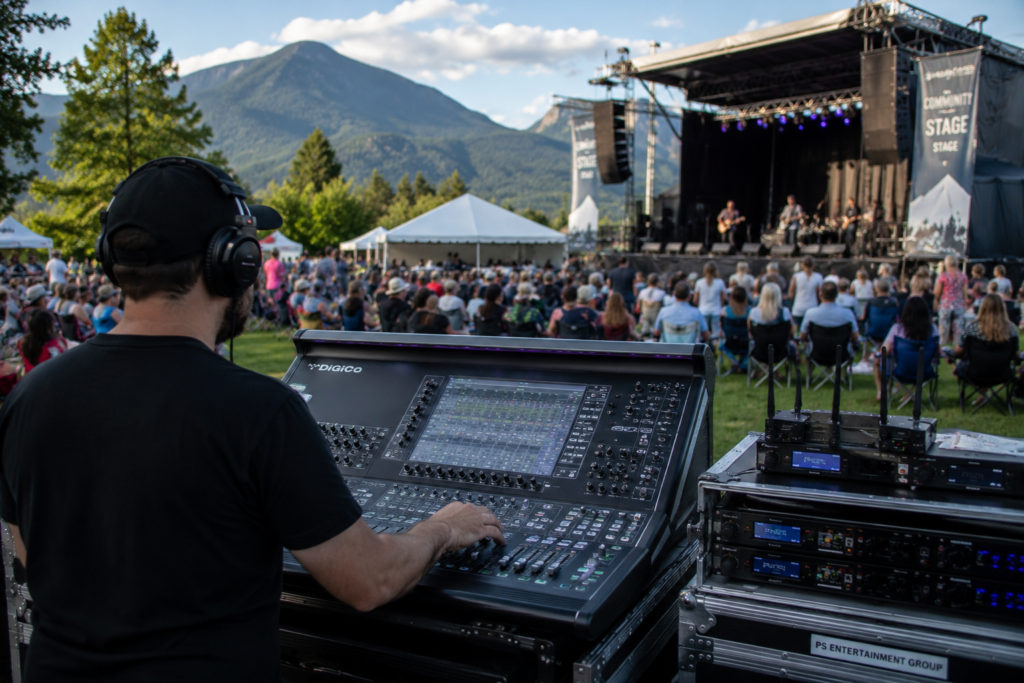
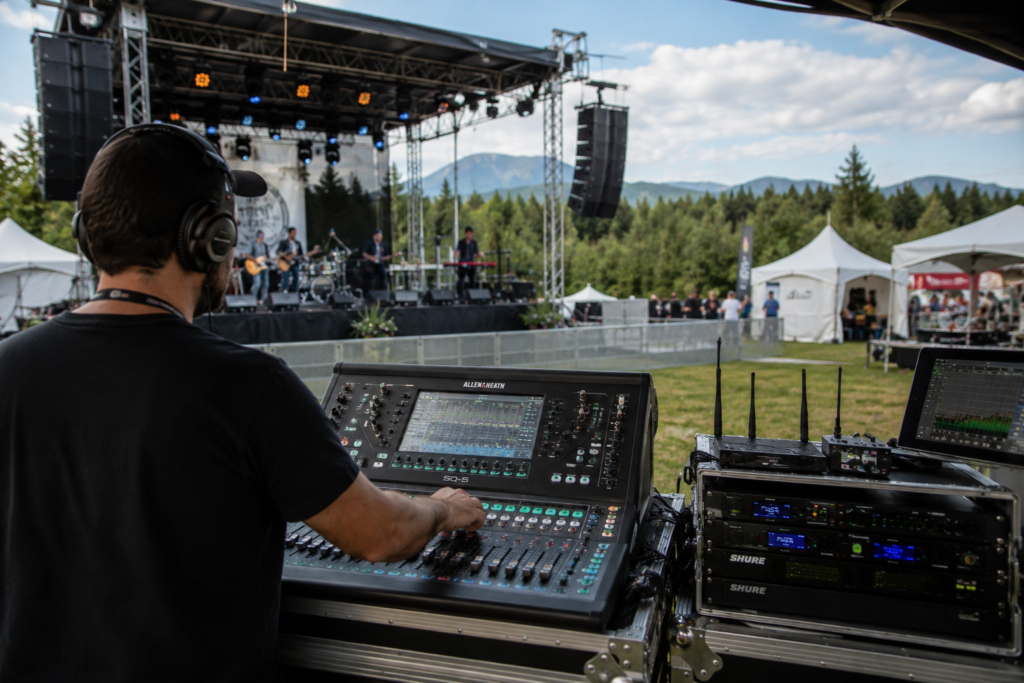
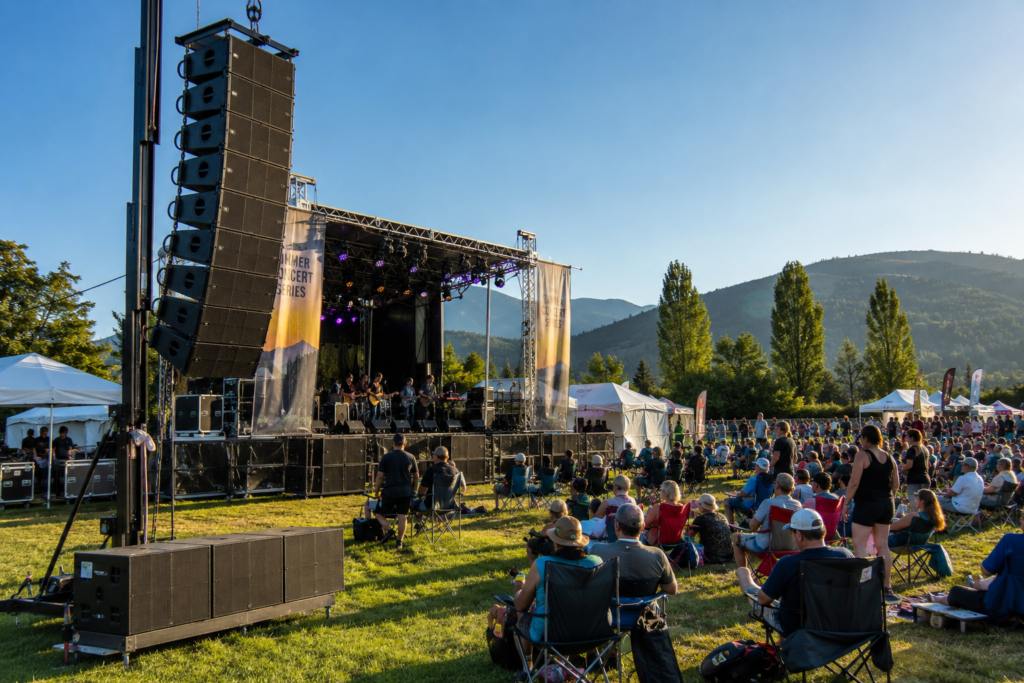
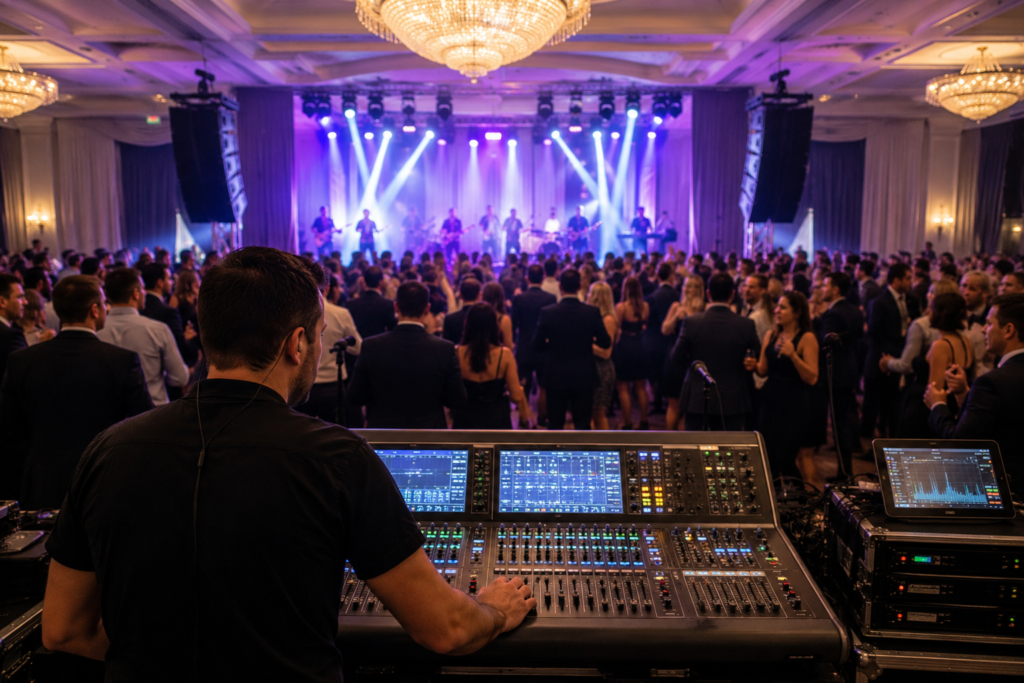
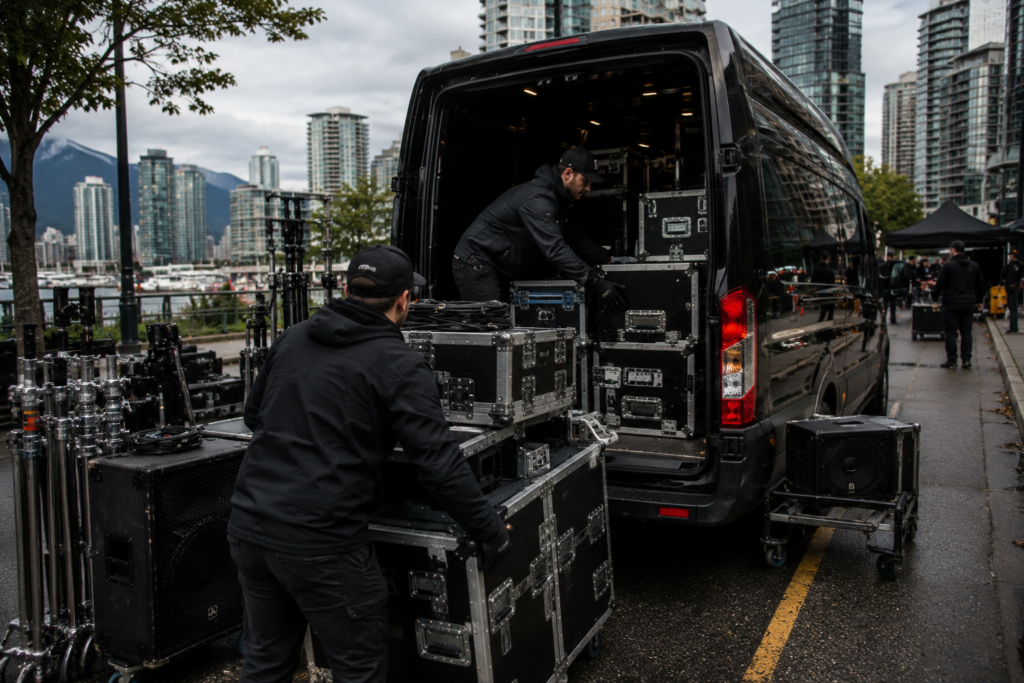
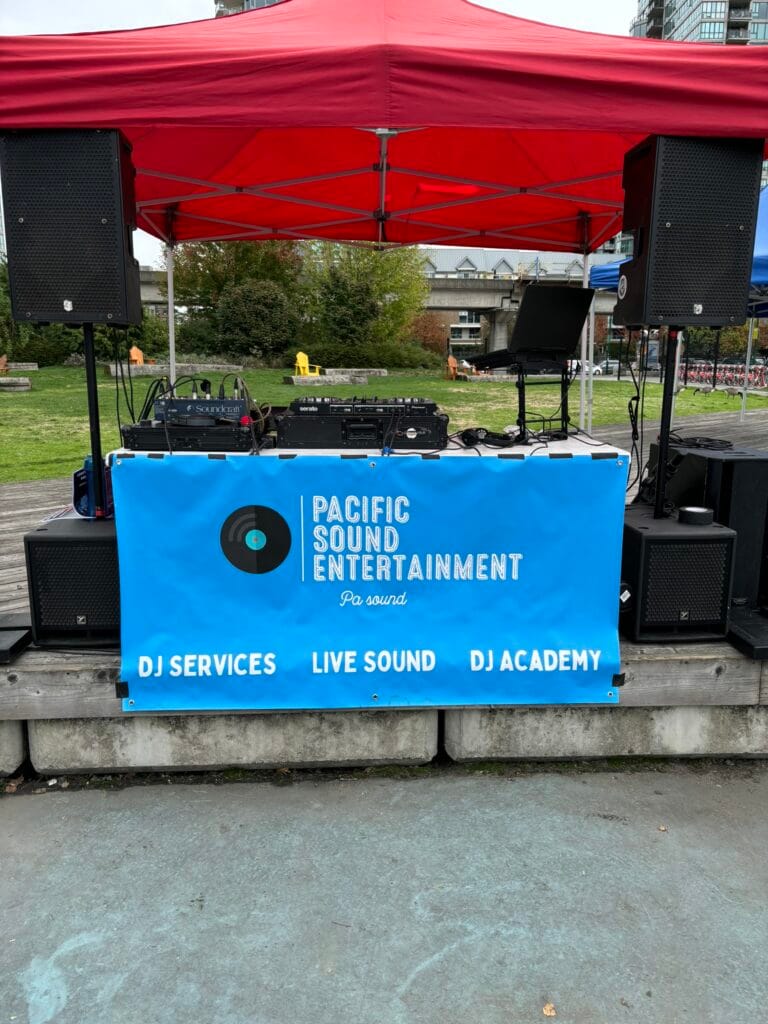
Choosing a dedicated high school dj service vancouver also means getting the full production. The right partner brings a professional school event dj along with highend fx lighting w lasers, a speaker system w speakers, and led uplights highend fx lighting. With fx lighting w lasers projectors and speakers led uplights highend, your Vancouver school dance dj delivers a complete setup from one trusted source rather than a patchwork of rentals.
Frequently Asked Questions
Q: How far in advance should we plan a school dance in Vancouver?
A: Aim to start planning a major school dance at least six to eight weeks ahead, and lock your date and entertainment first. The best dates and the most experienced school dance DJ in Vancouver get booked quickly during fall and grad season, and early planning gives you room for budget approval, supervision arrangements, and promotion without a last minute scramble.
Q: What does a school dance DJ in Vancouver actually do beyond playing music?
A: An experienced school event DJ reads the crowd, builds energy gradually, and keeps a gym full of students on the dance floor, which is harder than it looks. They also handle the school specific side: clean song versions, appropriate announcements, coordination with supervisors, and following school guidelines, all of which keep the night both fun and appropriate.
Q: What should be on a school dance planning checklist?
A: Start with confirming and approving the date, then lock entertainment, confirm the budget, choose a theme, plan supervision and safety, set up ticketing and promotion, confirm technical details like sound and lighting, and run a final week check. Working through these eight steps in order is what separates a well attended event from a stressful one.
Q: How is a grad or winter formal DJ different from a regular school dance DJ?
A: Winter formals and grad celebrations are milestone events students anticipate for months, so the entertainment needs to match that significance. An experienced grad DJ in Vancouver brings the right energy and professionalism for a higher stakes night, while still understanding the school setting, supervision, and appropriate tone these events require.
Q: Why work with the same school dance DJ in Vancouver every year instead of a new one?
A: A DJ who already knows your gym, your guidelines, and your expectations makes every following year’s planning far easier. The setup is known, communication is familiar, and supervisors trust the person running the night. For student councils that turn over annually, that continuity becomes valuable institutional memory the next committee can build around.
Conclusion
A successful school dance is not the result of luck or last minute energy. It is the result of a clear sequence: start early, lock the date and entertainment first, confirm the budget, choose a theme students love, plan supervision, promote well, and check the details before the night arrives. The right school dance DJ Vancouver sits at the center of all of it, because the DJ is what fills the floor and what students remember. Whether you are planning a fall social, a winter formal, or a grad celebration, the schools that get it right are the ones that follow a repeatable system and lean on an experienced partner they can return to year after year. Plan in the right order, and a packed, memorable dance follows.
Have a Planning Question? Let’s Talk
Planning a school dance, winter formal, or grad in Vancouver? Pacific Sound Entertainment works with schools across the region and is happy to help your committee think through dates, timelines, and entertainment. Ask us a planning question and we will point you in the right direction.