Vancouver festivals are more than music and entertainment — they are complex, temporary cities built through logistics, planning, and teamwork. From live sound and artist transport to infrastructure and scheduling, successful Vancouver festivals rely on experienced production teams working behind the scenes to create seamless event experiences.
When most people think about Vancouver festivals, they picture stages, DJs, lighting, and large crowds. But behind the scenes, festivals operate more like temporary cities — with logistics, planning, transport, and production teams working together to keep everything running smoothly.
From live sound coordination to artist transport and scheduling, the success of Vancouver festivals depends on planning and operational leadership long before the first performer steps on stage.
Having supported multiple festivals over the years, including Indigenous cultural events and electronic music festivals across British Columbia, one thing becomes clear: the real work of festivals happens behind the scenes.
Why Vancouver Festivals Are More Complex Than Most People Think
Attendees typically experience:
- Music
- Lighting
- Artists
- Crowd energy
But festival teams manage much more:
- Equipment logistics
- Sound system setup
- Artist scheduling
- Transport coordination
- Safety planning
- Infrastructure management
Even mid-sized festivals require coordination between multiple teams working simultaneously. A delay in one area — transport, sound, or scheduling — can affect the entire event.
This is why planning plays such a critical role in successful Vancouver festivals and live event production.
Events like these are also where professional audio support becomes critical. From outdoor cultural gatherings to remote electronic music festivals, having reliable production and experienced operators helps ensure smooth transitions, clear announcements, and consistent sound for performers. Our team has supported a range of these environments, which is why many organizers exploring Pacific Sound Entertainment turn to our dedicated live sound services when planning their event.
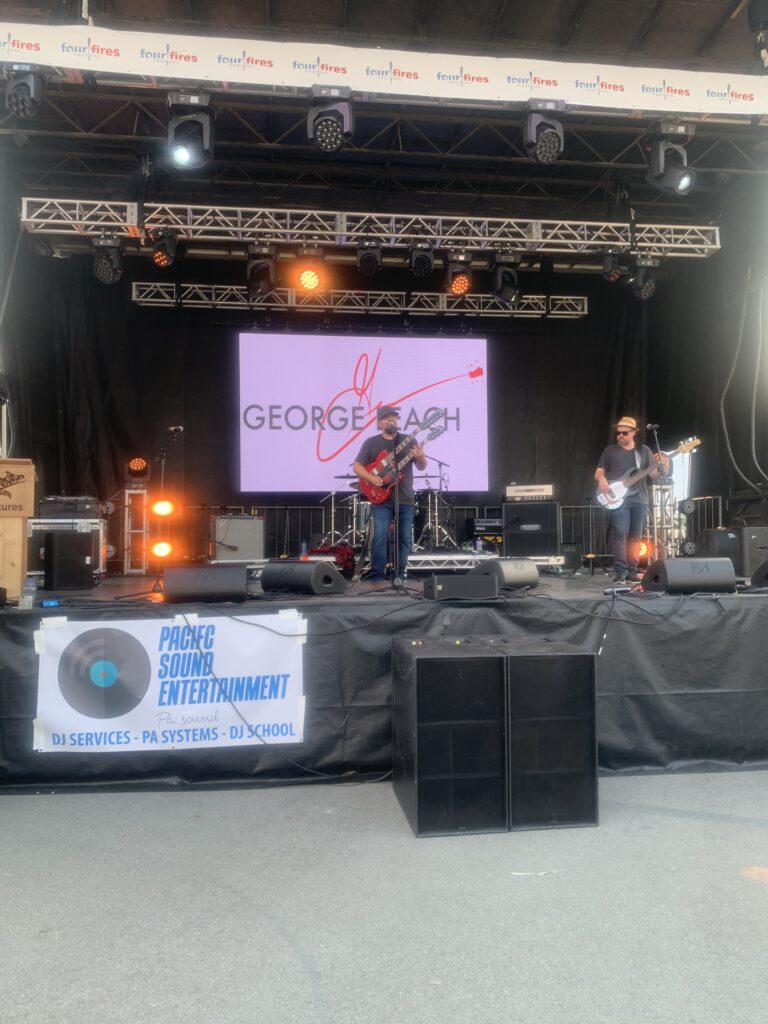
Real Experience: Four Fires Festival — Three Years of Growth
One example from our own experience is Four Fires Festival, an Indigenous cultural festival we’ve supported for the past three years.
Over time, we saw how logistics evolved as the event grew. Early on, the focus was primarily on performance scheduling and stage setup. But as attendance increased, additional planning became necessary:
- Coordinating performer timing
- Managing sound transitions
- Supporting cultural presentations
- Coordinating multiple performers
Most recently, we provided live sound support for all performers, which added another layer of logistics. This required:
- Sound checks
- Microphone coordination
- Quick transitions between performers
- Clear communication with organizers
Events like Four Fires highlight how Vancouver festivals often grow organically, and with that growth comes increasing operational complexity.
The Infrastructure Behind Vancouver Festivals
One of the biggest surprises about Vancouver festivals is the amount of infrastructure required.
Production teams often build:
- Temporary power distribution
- Stage structures
- Lighting systems
- Sound systems
- Staff areas
- Vendor areas
- Transport routes
This level of infrastructure planning is similar to building a temporary city for a short period of time.
For example, major festivals in British Columbia often require:
- Temporary roads
- Equipment staging areas
- Artist transportation coordination
- Crew logistics
This is why Vancouver festivals require experienced event production teams and careful planning.
External Example:
Large-scale festivals like Shambhala Music Festival are well known for the massive logistics required behind the scenes.
Event safety is a critical part of planning successful festivals, especially as events grow in size and complexity. Organizations like the Event Safety Alliance provide guidance, training, and industry standards designed to help event professionals manage risks and protect attendees, staff, and performers. Their “Life Safety First” approach focuses on planning for real-world challenges such as crowd management, weather risks, infrastructure safety, and emergency response — all key considerations when producing live events and festivals.
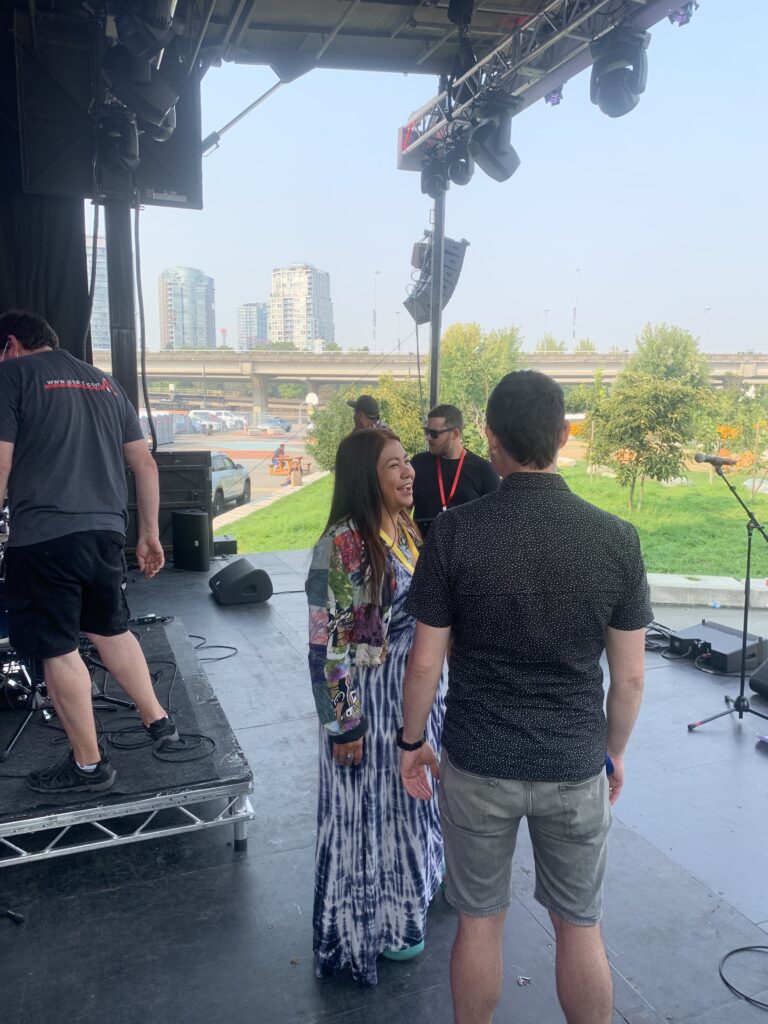
Remote Festival Logistics: Friends Club Festival Near Lillooet
Another example was supporting Friends Club Festival, an electronic music festival near Lillooet, British Columbia — roughly 8–9 hours from Vancouver.
Remote festivals introduce additional logistical challenges:
- Long-distance equipment transport
- Limited local resources
- Power management
- Weather considerations
- Extended setup timelines
At this festival, we helped support live sound for performers throughout the event. One of the highlights was Friday night, where a husband-and-wife electronic music duo from Germany headlined. Their performance required careful sound setup and coordination to ensure a smooth experience.
Remote festivals like this emphasize how planning becomes even more important when operating far from major cities.
Artist Transport and Logistics at Vancouver Festivals
One of the most challenging parts of Vancouver festivals is artist transport.
Artists often need to move:
- From airport to hotel
- Hotel to festival site
- Festival site to stage
- Stage to media areas
Transport timing is critical.
At many Vancouver festivals, artists may have:
- Tight schedules
- Back-to-back performances
- Weather challenges
- Traffic delays
Transport teams must coordinate in real time to ensure artists arrive on stage without delays.
This is why logistics teams are essential to Vancouver festivals.
The Teams That Keep Vancouver Festivals Running
Behind every successful Vancouver festival are teams working quietly behind the scenes:
- Live sound engineers
- Production coordinators
- Transport drivers
- Stage managers
- Logistics teams
- Event planners
- Safety coordinators
These professionals ensure Vancouver festivals run smoothly from start to finish.
Without these teams, even the biggest festivals would struggle to operate.
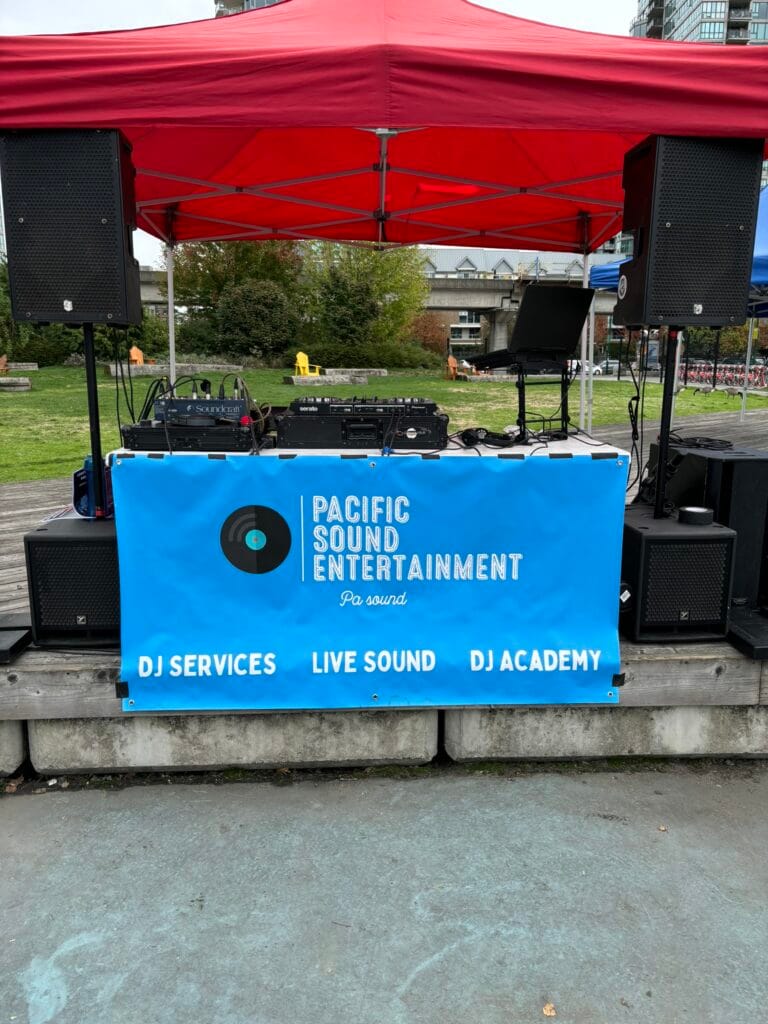
What Event Planners Can Learn From Vancouver Festivals
Even smaller events can learn from Vancouver festivals.
The same principles apply:
- Strong planning
- Clear communication
- Reliable logistics
- Professional production teams
Whether it’s a corporate event, school dance, or wedding, successful events follow similar operational strategies used by Vancouver festivals.
This is why experienced production teams can make such a difference.
Why Logistics Matter More Than Headliners
Headliners attract attention — but logistics create the experience.
Many Vancouver festivals succeed because:
- Sound systems are reliable
- Artists arrive on time
- Production teams coordinate smoothly
- Transport teams handle movement efficiently
When logistics are strong, Vancouver festivals feel seamless for attendees.
When logistics fail, the entire event can be impacted.
Vancouver Festivals Are Built Behind The Scenes
At the end of the day, Vancouver festivals are more than music and stages.
They are temporary cities built through:
- Planning
- Logistics
- Production
- Transport
- Coordination
Understanding this helps event planners, organizers, and attendees appreciate the work that goes into Vancouver festivals.
Because great festivals don’t just happen.
They’re built — behind the scenes.
FREQUENTLY ASKED QUESTIONS
Q. What makes Vancouver festivals different from regular events?
A: Vancouver festivals are typically larger in scale and require more complex logistics, including live sound production, artist transport, staging, and crowd coordination. Unlike smaller events, festivals often operate like temporary cities with multiple teams working together behind the scenes.
Q. Why is live sound important at Vancouver festivals?
A: Live sound ensures performers are heard clearly and consistently throughout the event. At Vancouver festivals, professional sound systems and experienced operators help manage transitions between performers, announcements, and overall audio quality for attendees.
Q. What kind of planning is required for Vancouver festivals?
A: Planning for Vancouver festivals often includes logistics coordination, scheduling performers, equipment transport, safety planning, and infrastructure setup. Strong planning helps ensure events run smoothly and minimizes delays during the festival.
Q. How far in advance should Vancouver festivals plan their production?
A: Many Vancouver festivals begin planning months in advance. This allows organizers to coordinate logistics, book performers, arrange live sound support, and prepare for potential challenges such as weather, scheduling changes, or transport needs.
If our Vancouver event guides are useful, add us as a Preferred Source so fresh ones show up in your search.
If our Vancouver event guides are useful, add us as a Preferred Source so fresh ones show up in your search.