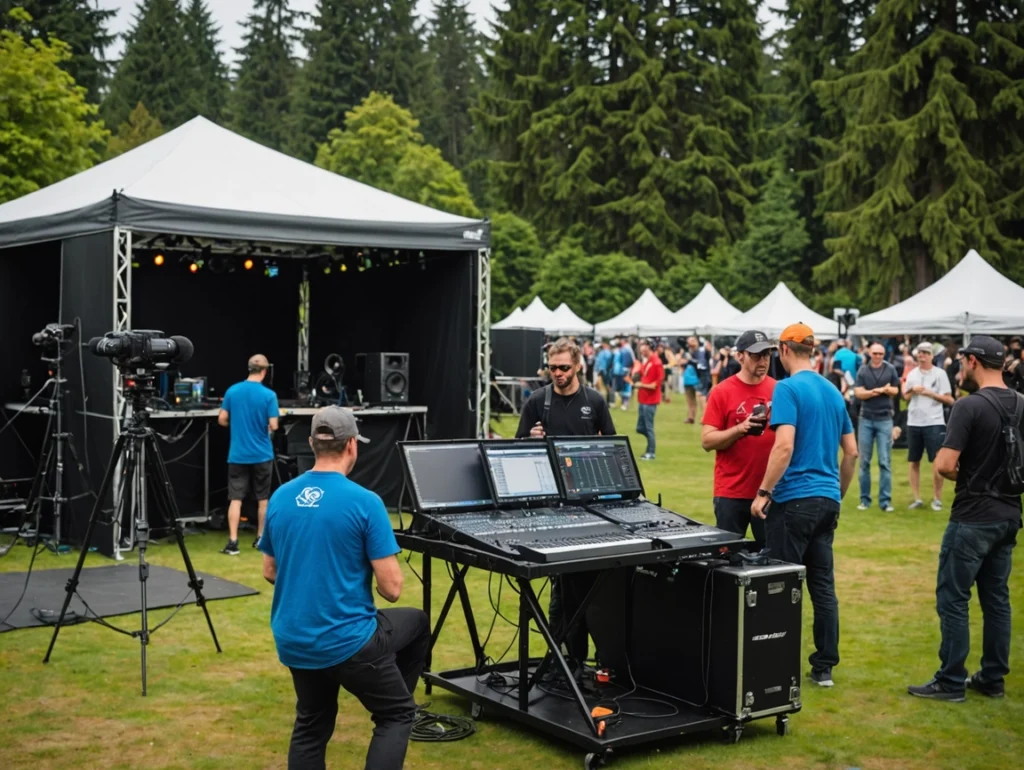
Based in Vancouver, BC, this event production and DJ company focuses on preparation, reliability, and event production redundancy to support seamless live events. Through careful planning and the use of backup systems, they help ensure productions continue smoothly even when conditions change. At a recent outdoor festival in Stanley Park, this approach allowed technical details to be managed quietly behind the scenes, so attendees could stay focused on the experience. Their emphasis on foresight and dependable systems provides event organizers with confidence and continuity throughout each production.
Accounting for event production risk is a core part of planning live events where multiple technical and logistical elements must work together.
What Event Production Redundancy Really Means in Live Events
Event production redundancy refers to the planning, systems, and workflows put in place to support continuity when conditions change during a live event. In real-world environments, events rely on multiple moving parts working together at the same time — equipment, power, software, timelines, venues, and people. Even when everything is prepared carefully, live conditions introduce variables that cannot be fully controlled.
This is why event production redundancy is considered a professional standard rather than an optional feature. It acknowledges that live events carry inherent event production risk, especially in outdoor settings, multi-room venues, or productions with tight schedules. Redundancy allows teams to respond calmly and efficiently when adjustments are needed, without drawing attention to technical decisions being made behind the scenes.
At its core, redundancy is about reducing pressure on any single system or decision, creating flexibility that supports consistency throughout the event. To prevent issues that could cause teams to lose footage again recording redundancy is built into live event production workflows as a protective measure.
Why Event Production Redundancy Matters for Live Event Reliability
Live events rarely fail because of one dramatic mistake. More often, issues arise from small, unexpected changes — a piece of equipment behaving differently than expected, a timing shift, or environmental factors affecting performance. Without backup systems or alternative workflows, these moments can quickly escalate.
Event production redundancy helps prevent those escalations. By planning for multiple outcomes instead of just the ideal scenario, production companies ensure redundancy in a way that protects the overall flow of the event. When redundancy is present, adjustments can be made quietly, keeping the experience smooth for attendees and presenters alike.
For planners and venue teams, this reliability often goes unnoticed — which is exactly the point. A well-run event feels seamless because potential issues never surface publicly. Redundancy allows teams to prioritize continuity rather than reaction, supporting dependable event execution even when conditions change.
In professional live events production companies ensure redundancy by planning multiple layers of protection across systems workflows and decision making.
How Preparation and Redundancy Work Together Behind the Scenes
Redundancy does not function on its own. It is effective only when paired with preparation. This includes pre-event testing, equipment checks, clear communication among crew members, and defined decision-making processes.
Preparation ensures that backup systems are not just present, but ready to be used if needed. This is why many professionals view technical redundancy as an insurance policy rather than a response to failure. It exists to protect the event experience, not to correct mistakes after they occur.
Behind the scenes, this preparation allows teams to make confident decisions under time pressure. When systems and workflows are familiar, adjustments can be implemented quickly and without disruption. This combination of planning and redundancy helps maintain stability in environments where variables are unavoidable.
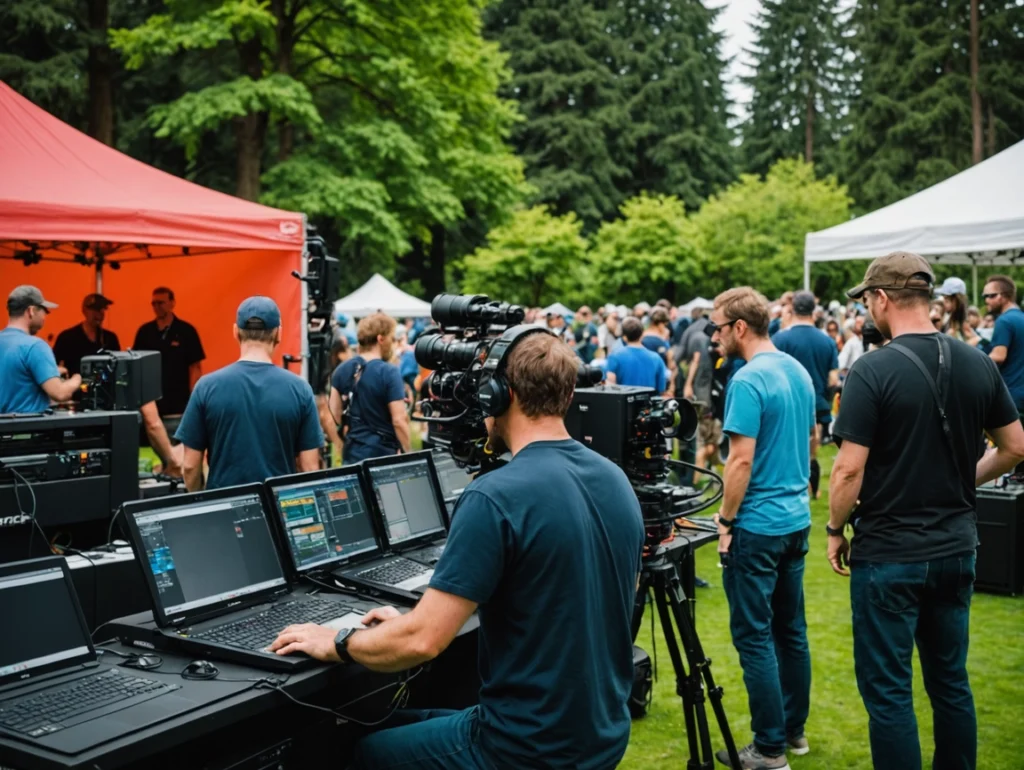
Professional teams rely on redundancy in event video production to maintain continuity when live recording conditions change, and recording redundancy in event video helps ensure important moments are preserved even if a primary system needs to be switched during a live event.
A Real Vancouver Event Example Without the Drama
During a recent live event in Vancouver, conditions shifted in a way that required technical adjustments mid-production. Situations like this are not unusual in live environments, especially when multiple systems are working together simultaneously.
Because redundancy had been built into the setup, the necessary changes were handled discreetly. Backup systems were already in place, and workflows were established ahead of time. As a result, the event continued without interruption, and attendees remained focused on the experience rather than the technical execution.
This is how companies ensure redundancy and reliability in practice — not by eliminating all risk, but by preparing for it thoughtfully. The goal is never to showcase technical problem-solving in the moment, but to make sure those moments are invisible to the audience.
What Event Planners Gain from Redundant Event Production Systems
For event planners, redundancy translates into confidence. When production teams prioritize preparation and backup planning, planners can focus on programming, guests, and overall event goals rather than technical uncertainty.
Redundant systems support:
- Consistent pacing throughout the event
- Reduced stress during transitions
- Fewer visible disruptions
- Greater flexibility when schedules shift
This approach also builds trust between planners, venues, and production teams. When everyone understands that contingencies are already accounted for, collaboration becomes smoother and decision-making more efficient.
For live events redundancy functions as insurance policy every event planner depends on to maintain confidence and continuity throughout production.
Building Seamless Events Through Experience and Foresight
Successful live events are rarely defined by what goes wrong — they are defined by what never becomes visible. Event production redundancy, supported by experience and preparation, allows teams to manage challenges quietly and professionally.
By planning for variability and building flexibility into systems, live event productions can remain stable even in changing conditions. This behind-the-scenes work is what allows events to feel polished, consistent, and reliable from start to finish.
Many professionals treat technical redundancy the insurance policy that protects live events from disruption while allowing teams to respond calmly behind the scenes.
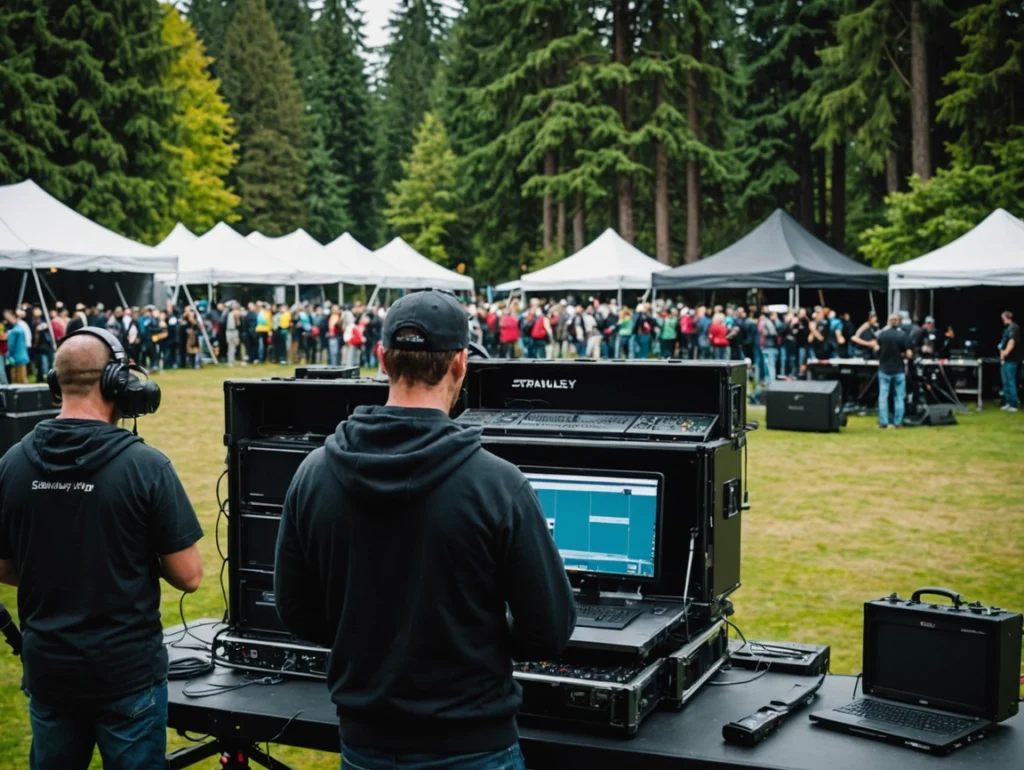
Live event planning in British Columbia often involves coordinating with venues, partners, and destination organizations that support large-scale and public events, such as Destination Vancouver.
Many of the same principles discussed here apply across different types of live events. For a related perspective on preparation and decision-making in high-pressure environments, read our article on why strong leadership and planning matter in wedding entertainment.
Frequently Asked Questions about Event Production Redundancy
Q. What is event production redundancy?
Event production redundancy refers to having backup systems, processes, and workflows in place to support continuity during live events. This approach helps ensure events remain stable and well-managed even when unexpected variables arise.
Q. How does planning contribute to redundancy?
Comprehensive planning allows potential challenges to be identified in advance. By preparing contingency measures ahead of time, event teams can respond calmly and effectively without disrupting the overall flow of the event.
Q. What role do backup systems play in live events?
Backup systems provide immediate alternatives if adjustments are needed. Their presence helps maintain consistency and allows technical details to be handled discreetly behind the scenes.
Q. How does experience affect event production reliability?
Experience enables teams to recognize patterns, anticipate challenges, and apply proven solutions. This practical knowledge supports confident decision-making and contributes to reliable event execution.
If our Vancouver event guides are useful, add us as a Preferred Source so fresh ones show up in your search.
If our Vancouver event guides are useful, add us as a Preferred Source so fresh ones show up in your search.